Did you know the city can inspect your historic home to make sure you’re holding up your end of the Mills Act deal?
If you own a historic home in Los Angeles, you’ve probably heard other owners in your neighborhood mention the Mills Act. It’s one of the most valuable tools available to owners of older properties, but it also comes with real responsibilities especially when it’s time for structural work. Here’s what the law actually does, how it plays out in a historic district like West Adams, and what we learned working on a Mills Act home with serious foundation issues.
The Mills Act was enacted in California in 1972, and it remains one of the state’s most effective incentives for preserving historic residential and commercial properties. Essentially the Mills Act is a contract between a homeowner and their local municipality. The homeowner agrees to actively restore and maintain the historic character of the property such as its structural elements, exterior features, and building systems like plumbing, electrical, and mechanical for a minimum term of 10 years.
In exchange, the homeowner’s property is reassessed using an income-based valuation method instead of standard market value. In practice, this often translates into significant property tax savings, sometimes 40–60% lower than what the owner would otherwise pay. It’s a meaningful trade, the city gets a well-maintained historic property, and the owner gets financial relief to help fund that maintenance.
How the Mills Act Works in West Adams
The West Adams district in Los Angeles is home to some of the city’s examples of historic residential architecture, and many of these properties sit within a Historic Preservation Overlay Zone (HPOZ). Because of that designation, the Los Angeles City Planning Department reviews any permitted work on these homes to make sure it doesn’t compromise the property’s original character-defining features.
Essentially before a contractor can pull a permit for exterior work or even work that touches the building envelope, the project must go through the city’s Historic District Project Review process. The scope of that review depends on the type of work and whether the property is classified as a “Contributing” or “Non-Contributing” structure within the district. For homeowners, this extra oversight is the tradeoff for the tax savings and the neighborhood’s preserved character, but it does mean projects need a contractor who understands how to work within HPOZ requirements.
A Case Study: Foundation Failure Behind a Preserved Facade
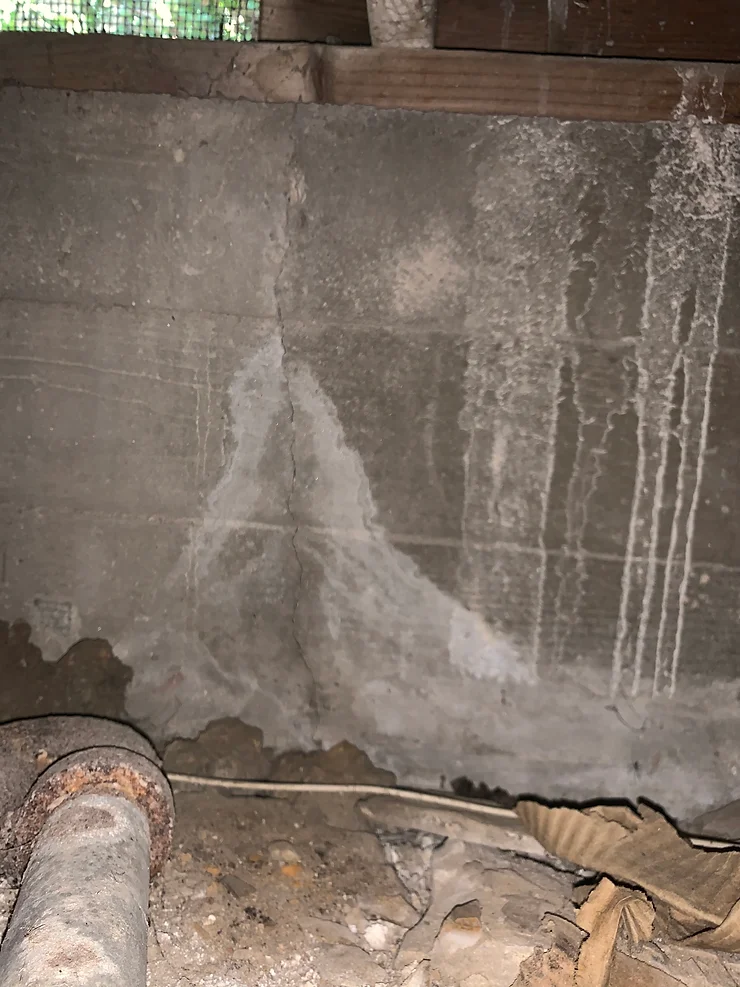
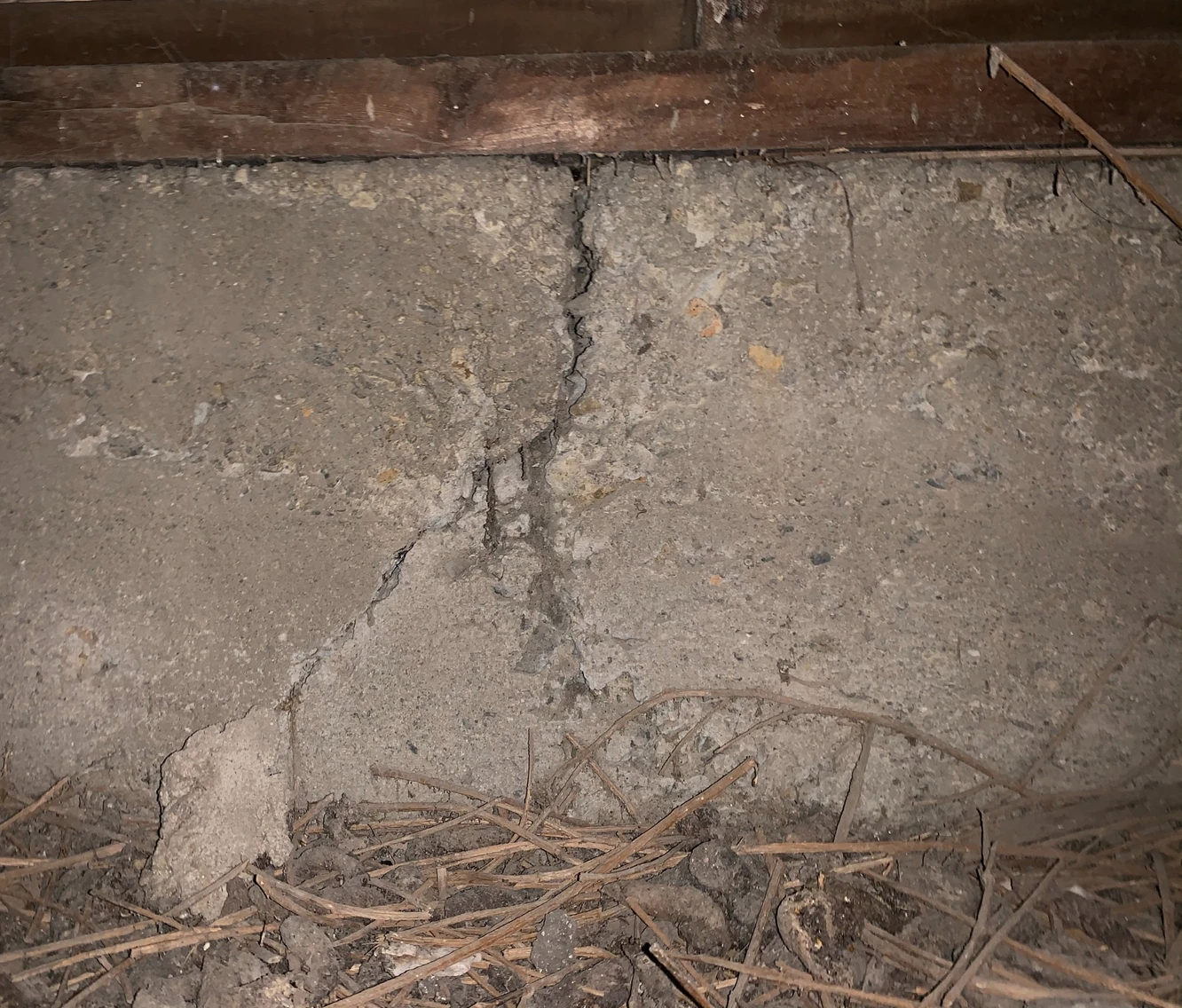
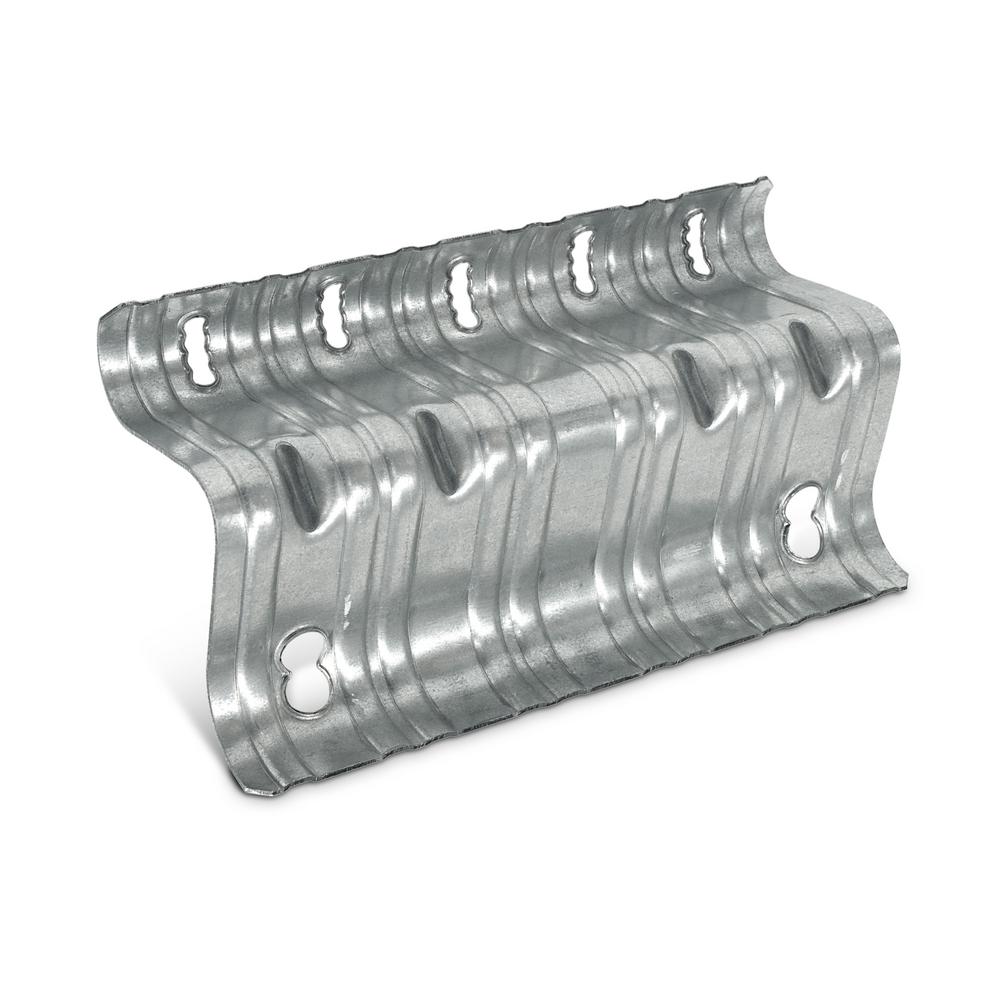
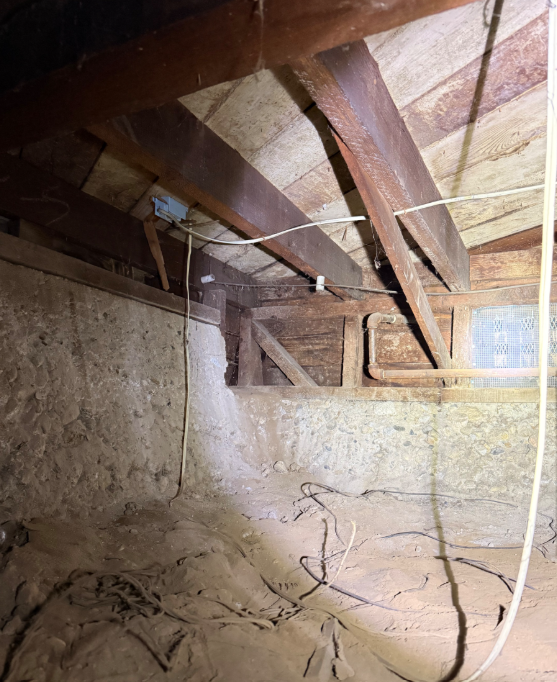
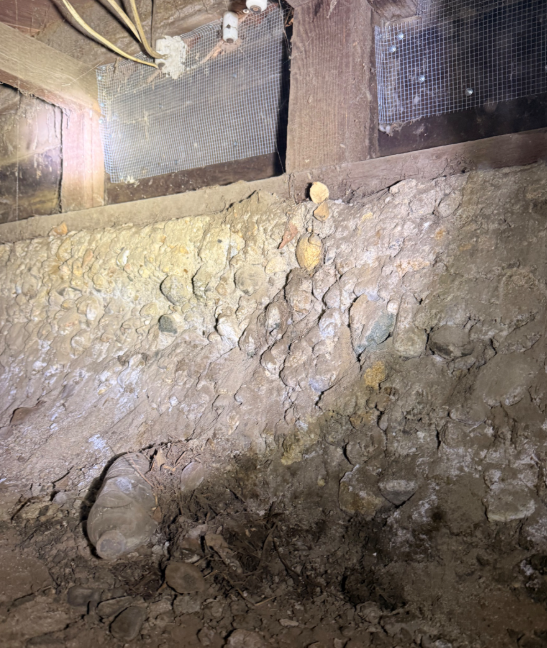
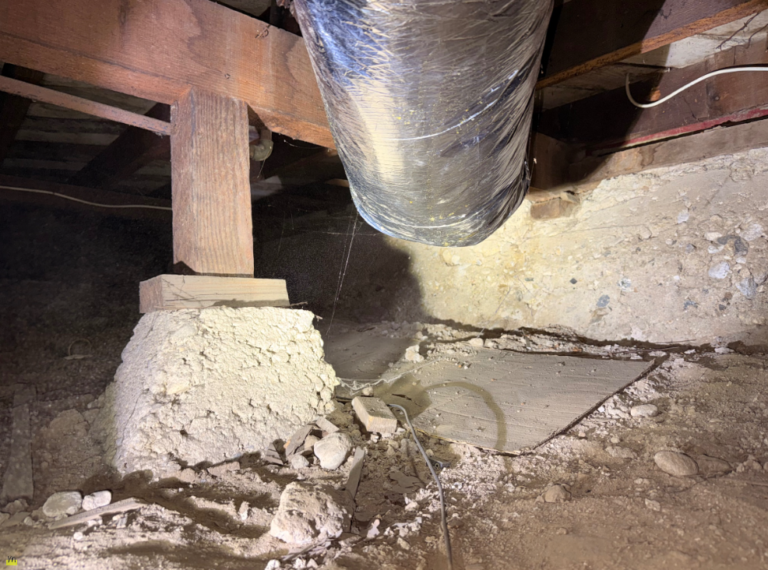
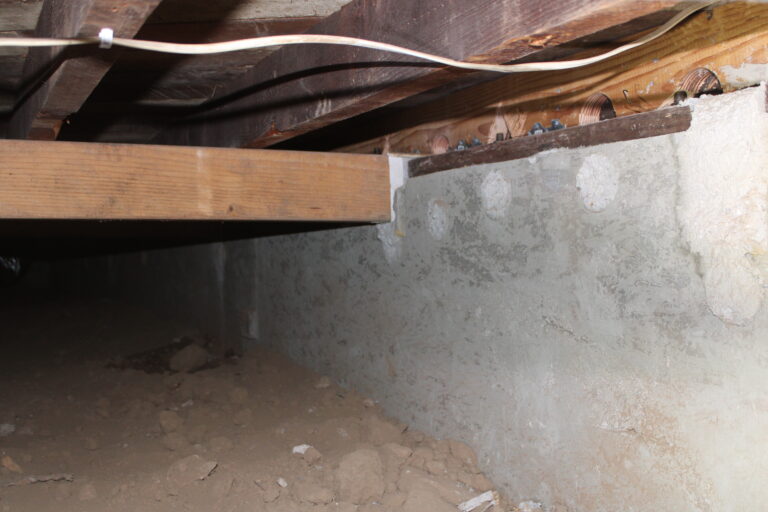
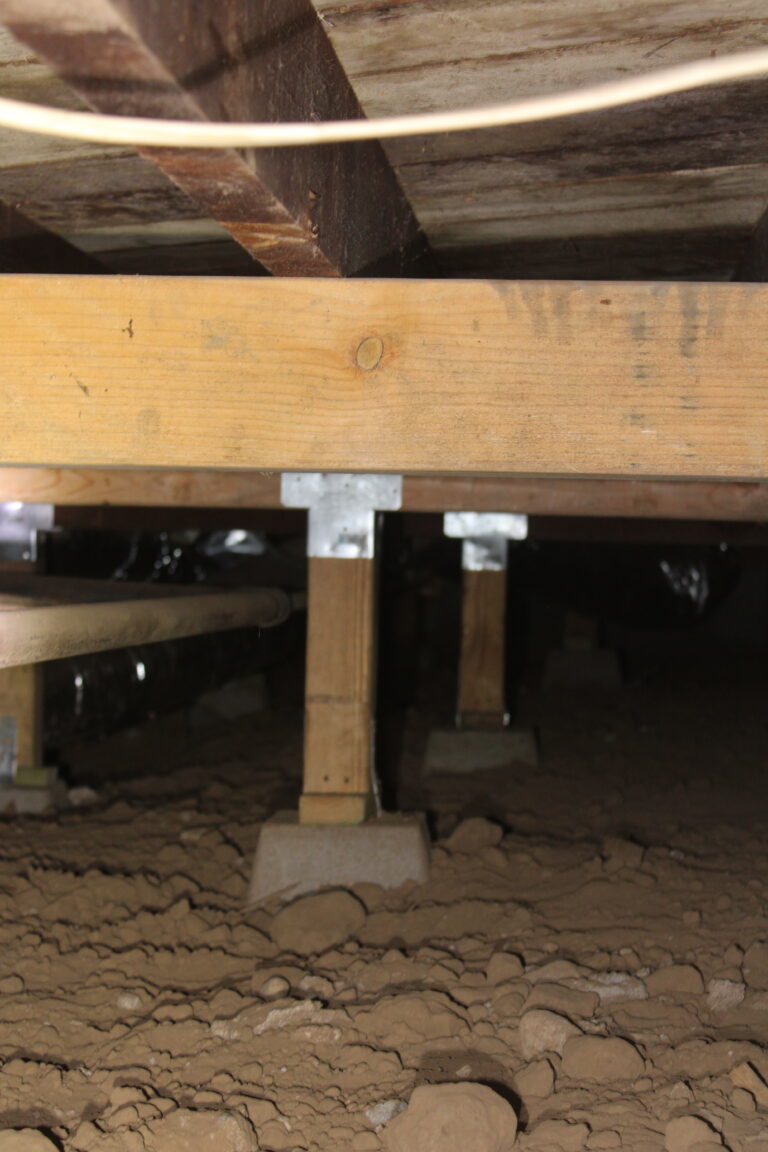
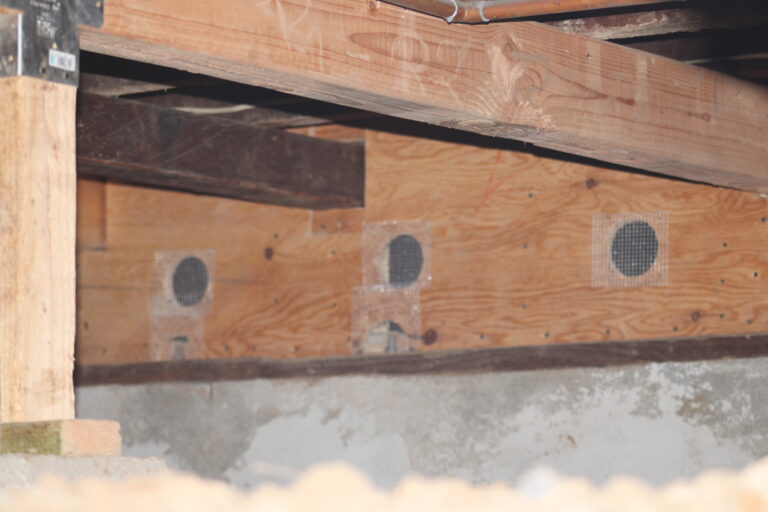
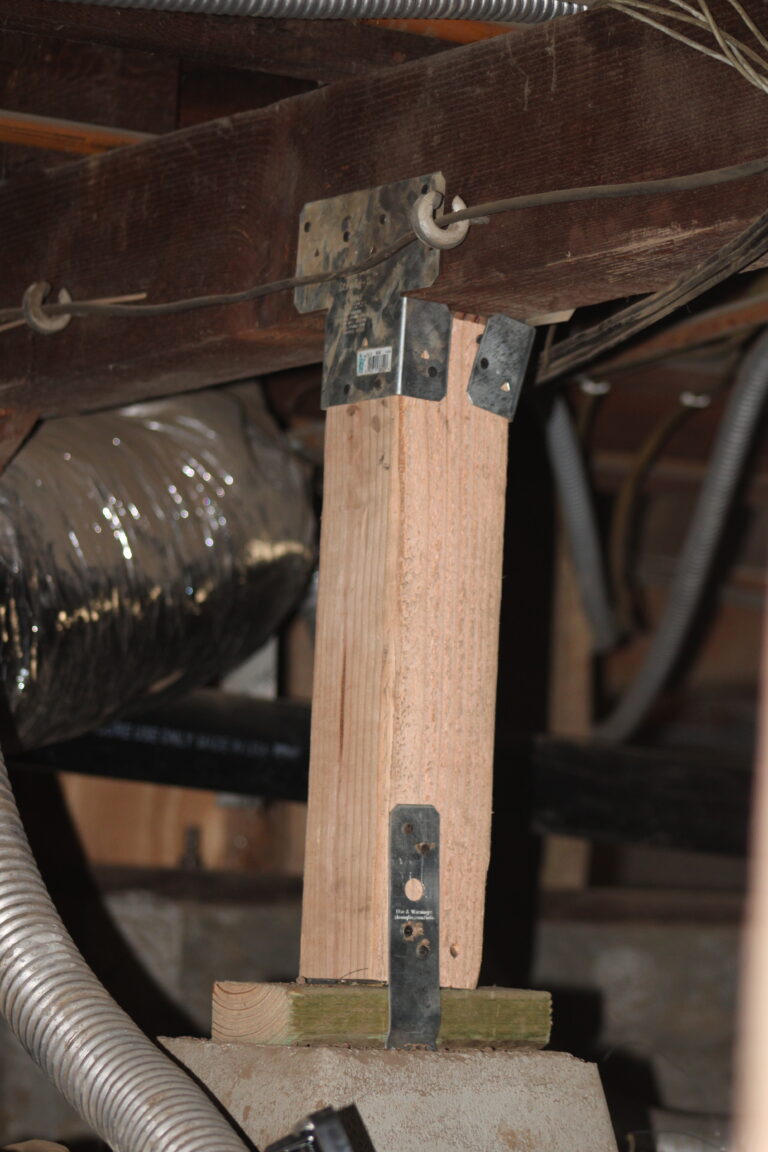
One of our clients in West Adams reached out to us with concerns about the structural integrity of their historic home. When we got underneath the house, the extent of the problem became clear. We found extensive cracking throughout the stem wall, exposed pea gravel, and the existing girder, pier pad, and post system no longer met current code.
Given the severity of what we found, we recommended a full foundation replacement of 170 linear feet in total. Since the home is subject to HPOZ review, the permitting process required close coordination with the city to confirm that the scope of work would not alter the exterior appearance of the home in any way. Foundation replacement can be extensive work but in this project our team executed this project to ensure that the original siding was preserved.
Why This Matters for Mills Act Homeowners
Owning a Mills Act property means the tax benefit is tied directly to how well the home is maintained. A compromised foundation isn’t just a safety issue, it’s a threat to the long-term preservation obligations the homeowner has agreed to. Addressing structural problems early, with a contractor experienced in both foundation systems and historic preservation permitting, protects both the home and the homeowner’s standing in the program.
Don’t Wait for a Small Crack to Become a Big Problem
If you own a historic property in West Adams or anywhere else in Los Angeles and you’ve noticed cracking, settling, sloping floors, or doors and windows that no longer close right, don’t wait for the problem to get worse. Foundation issues do not fix themselves, and on a Mills Act property, the wrong contractor can put your preservation contract at risk along with your home.
Our team specializes in structural and foundation work on historic homes throughout Los Angeles, and we know how to navigate HPOZ review and Mills Act requirements from the first inspection through final approval.
Schedule your free foundation assessment today! Call us at (323)241-9849 or request a consultation on our contact form, and let’s make sure your historic home stays standing, and stays protected, for the next 100 years.
Sources: California Office of Historic Preservation, Mills Act Program; Los Angeles City Planning, Historic District Project Review